FROM POOL
TO PODIUM
FROM POOL
TO PODIUM
TO PODIUM
we got your back


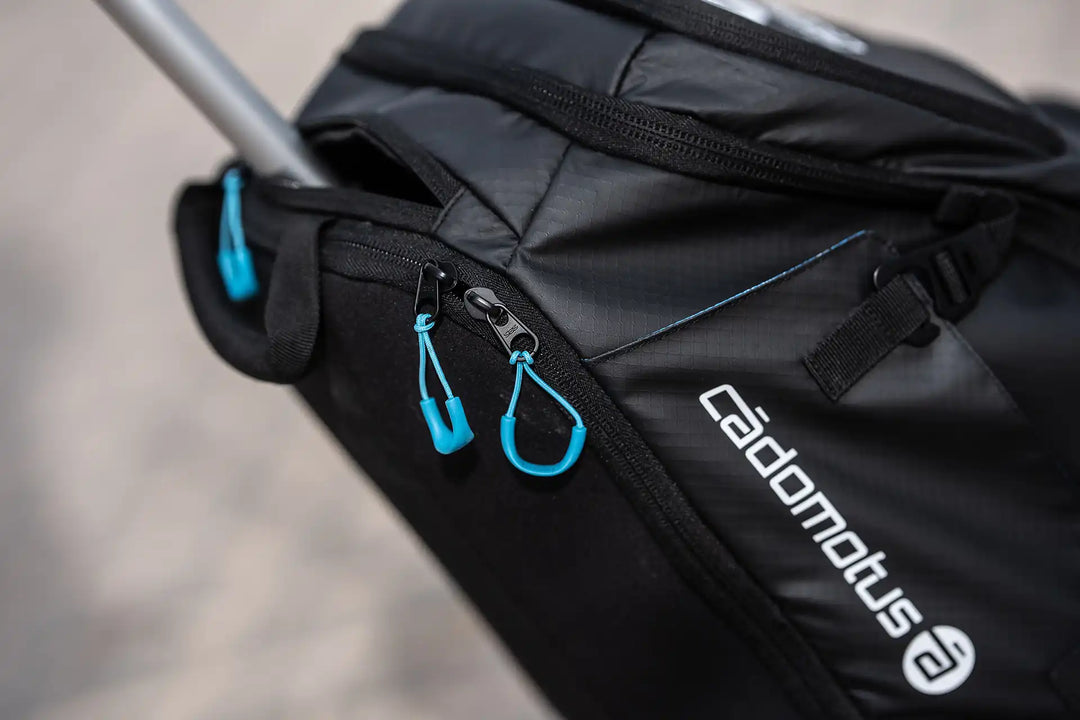
At Cádomotus, we’re committed to creating functional and stylish sports backpacks while promoting sustainability. That’s why we use RPET from GRS-certified suppliers, ensuring eco-friendliness and top quality.
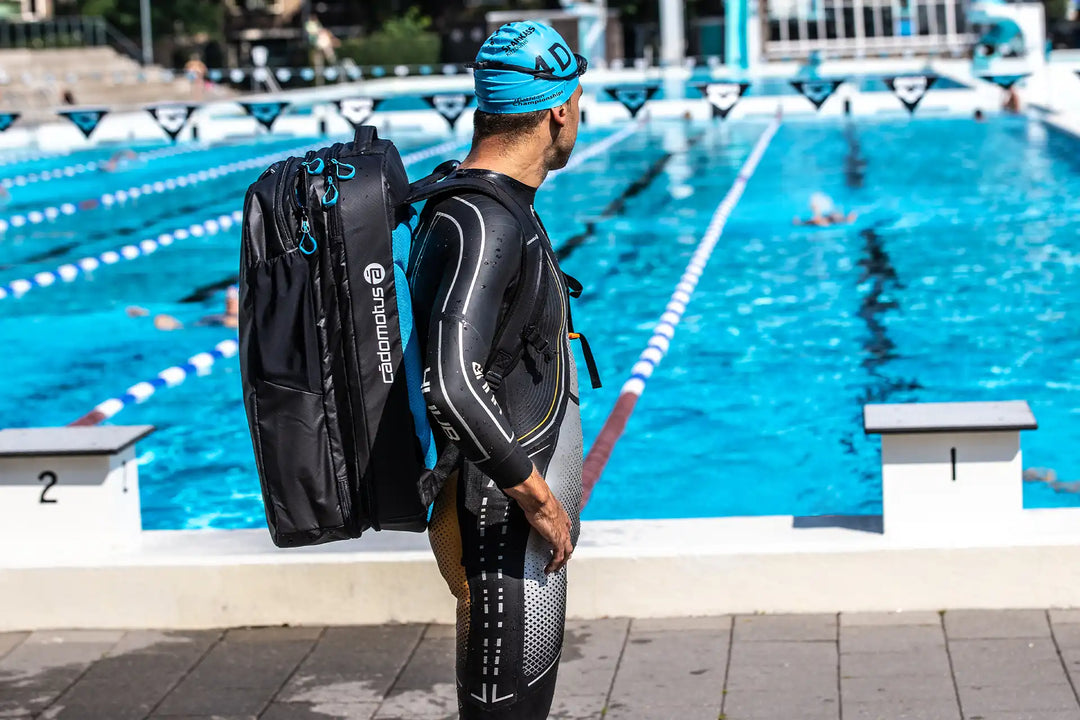
Our IP64 weather-resistant bags keep your gear protected in any condition. Designed to shield against dust and heavy rain, they ensure your essentials stay dry and secure, no matter the weather.
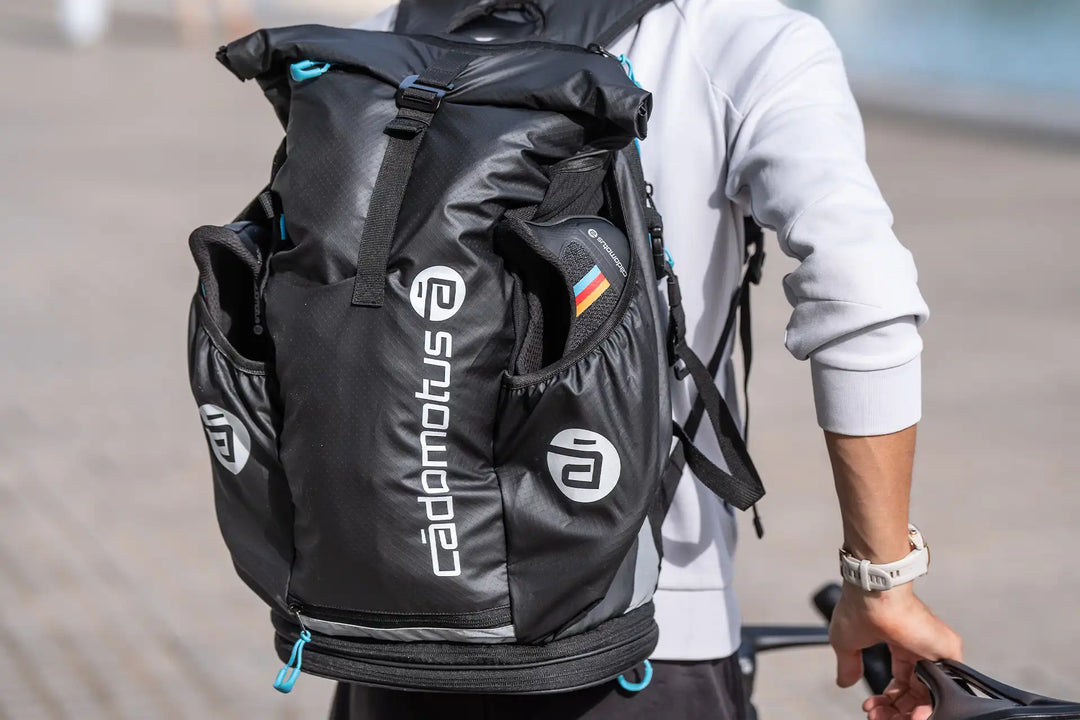
To keep the inside clean!
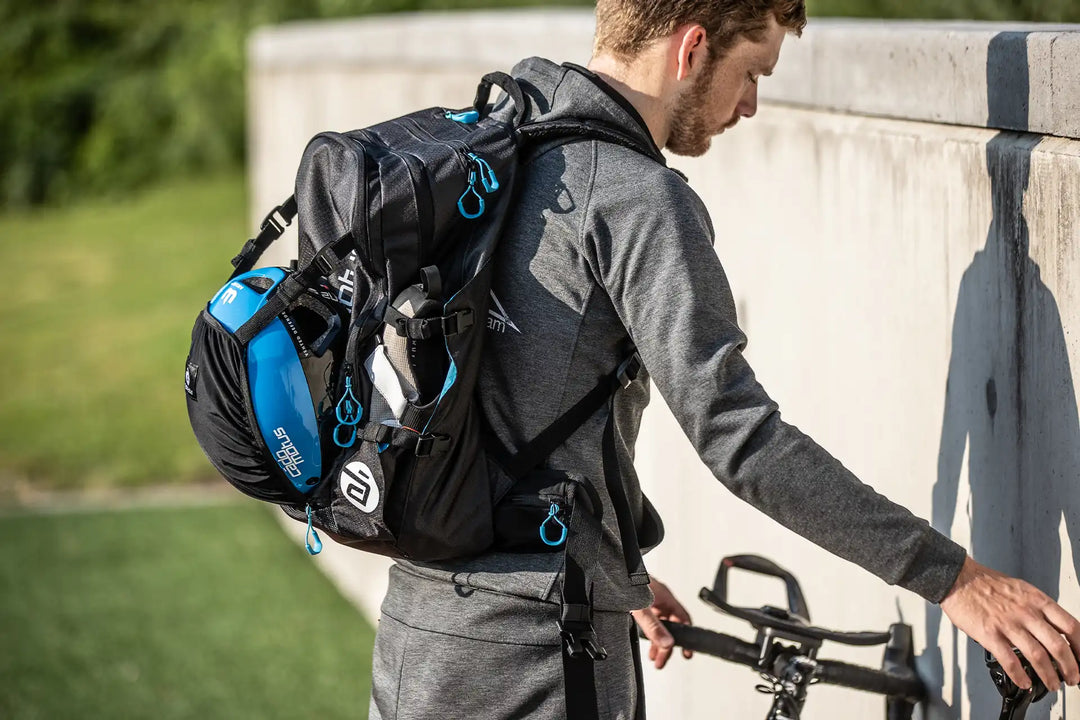
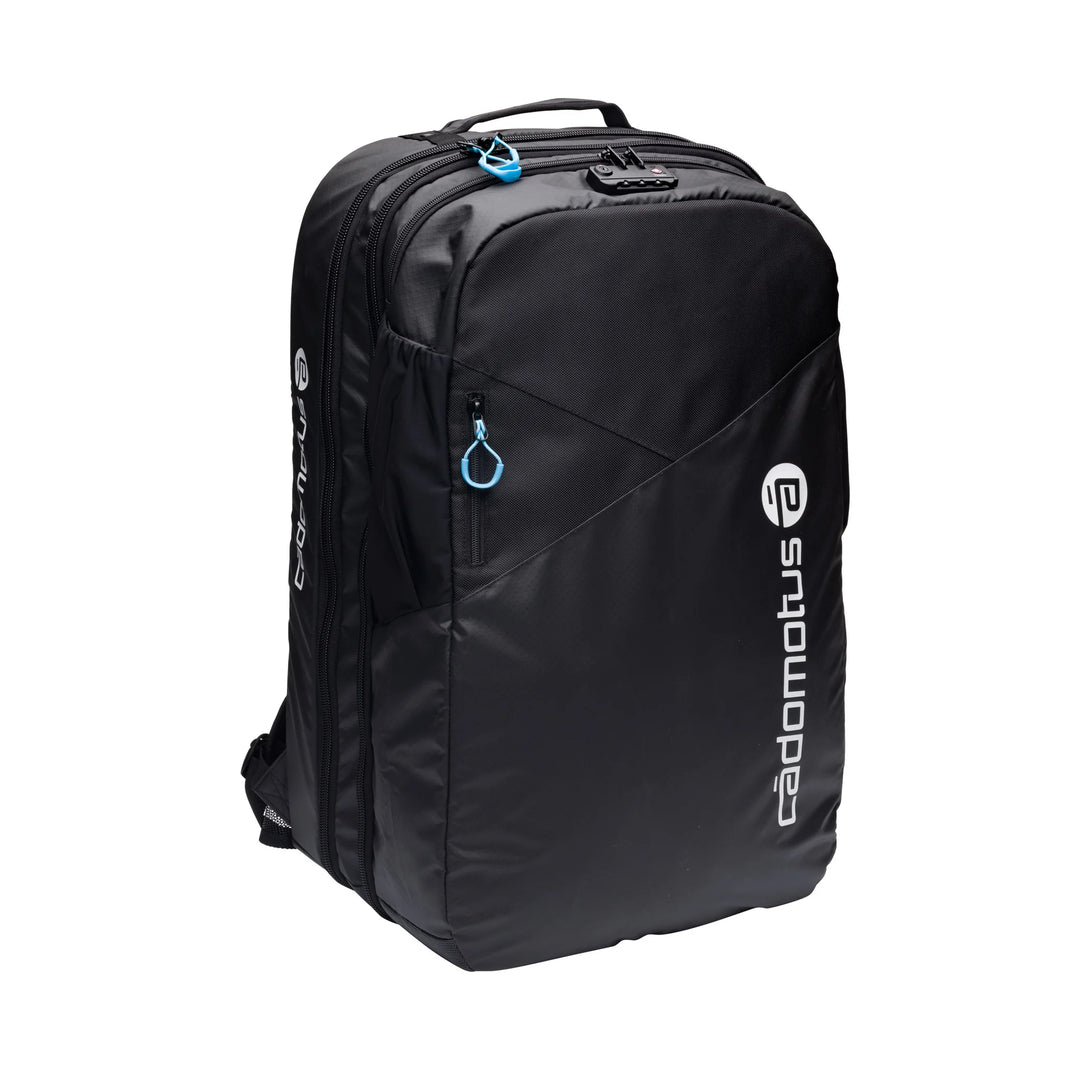
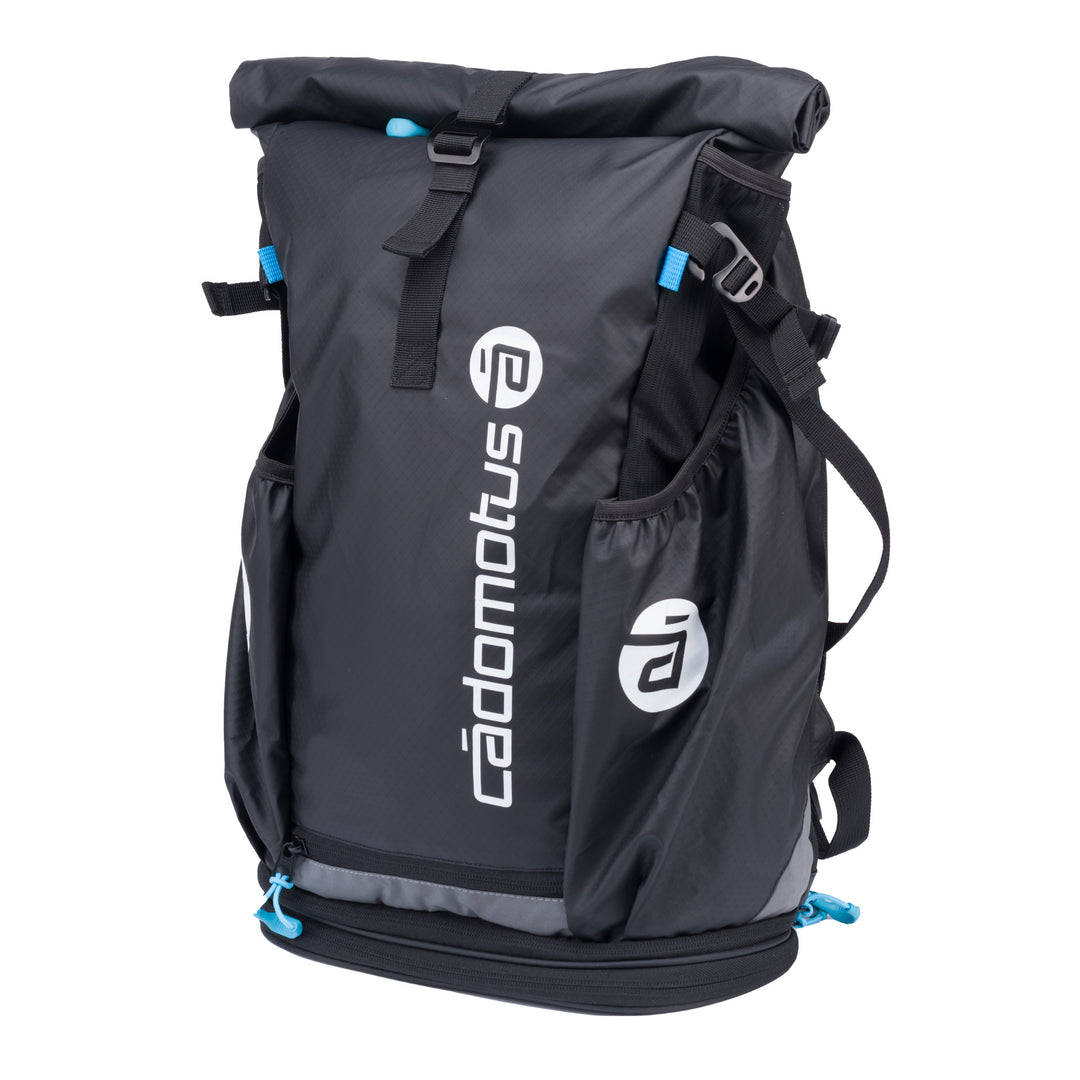
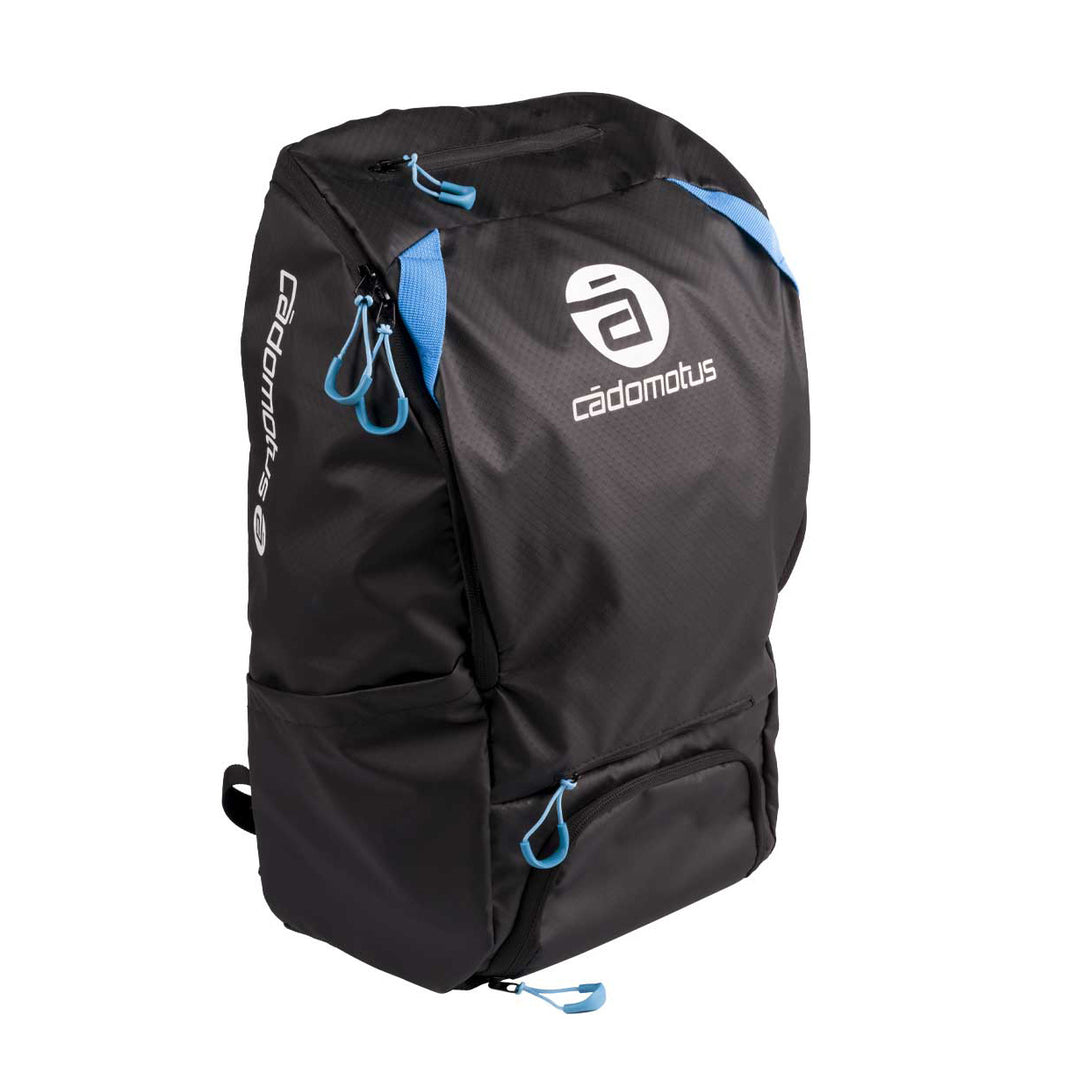
With dedicated compartments for wet and dry gear, shoes, helmets, and small essentials, everything stays in its place. Whether you’re heading to a race, training session, or combining work and workouts, these bags are designed to adapt to your needs seamlessly.

As a triathlete, there’s nothing more frustrating than not having enough room in your bag. Everything fits perfectly before the race, but when it's time to store your wet and dirty gear afterward, things go wrong... The ideal bag not only provides peace of mind before the race, but it also helps you stay organized so you know exactly where everything is on race day. Ultimately, your triathlon bag should offer enough space for swim, bike, and run gear, as well as the necessary accessories for transitions. Even on training days, ample room is needed for extra running shoes or a dry set of clothes, especially if your bag needs to accommodate textbooks or a laptop. Cádomotus has developed a series of bags designed to meet the needs of both race days and training sessions in any weather. These bags will support you on long travel, race, and training days.
To achieve peak performance on training or race day, there are four triathlon bags designed specifically for your needs. Additionally, these bags are perfect for speed skating, cycling, and running races. Each bag can be used for training, race day, or days when you combine work and training. The Airflow 2.0 is ideal for daily training, the rainproof Versatile 3.0is perfect for races, for travel days, the Hybrid Transition Trolley is easy to take with you, and for the biggest races, the World Cup Race Day Bag offers the most professional-looking transition bag with ample space.
Thanks to the versatility of the bags, there’s the perfect one for every athlete. Every triathlete knows the challenge of multiple training sessions in one day. One athlete may need to travel directly from a swim session to work and will benefit greatly from a waterproof compartment. Another athlete will travel from one training session to the next and will appreciate a larger bag that is easy to carry. Needs also vary on race days. Do you prefer to bring something compact or carry things on the outside of your bag? Or do you prefer to store everything behind water-resistant fabric to keep your gear dry and warm?
The most important feature for a triathlete’s bag is the ability to store gear for all three disciplines. It’s already packed with swimming essentials like goggles, swim caps, trisuits, and wetsuits—just for the swim portion. With multiple compartments in each bag, there’s room to separate those items from your cycling and running gear. For example, there’s space to store your cycling shoes either on the outside or inside a compartment for maximum protection. There’s always room to fit your helmet without it dangling from the side of the bag. Plus, small items like race belts, spare bands, or keys can be neatly stored. The smart design of these bags brings structure, so your focus can remain entirely on your race or training session!
Your logo on gear that athletes actually use — that is the difference between a giveaway and a brand asset. We produce custom race bags for events and branded team gear with the same engineering and attention to detail that define everything we make.

A regular sports bag moves gear from A to B. A transition bag supports a workflow — it's designed around the swim-bike-run sequence with compartments that match each race phase. Predictable organization means lower cognitive load: you don't need to remember where things are, you just confirm. We explain this design philosophy in Engineering Order Into Chaos.
It depends on how you get to training and what you carry. The Airflow 2.0 and Verve 1.0 are ideal for daily training — light, ventilated, and easy to carry on your bike. The Versatile 3.0 is built for race days with rainproof fabric and structured compartments. The Hybrid 2.0 rolls as a trolley for travel days. And the Worldcup is the most complete race day bag with the most pockets and space. Not sure? Read our full guide: The Triathlon Transition Bag: Engineering Order Into Chaos.
Yes. The Versatile 3.0, Hybrid 2.0, and Worldcup all have dedicated compartments for wetsuit, cycling shoes, helmet, run shoes, and accessories like race belts, nutrition, and glasses. The design separates gear by discipline so you can unpack in race order without digging. We explain this compartment-per-phase logic in detail in Engineering Order Into Chaos.
After the race, you collect all your gear from T1, T2, and your bike. By then, your wetsuit, swim cap, and towel are soaked from the swim — and your trisuit is drenched in sweat from racing all day. If you throw everything back into one bag, that wet gear soaks through your dry clothes, shoes, and electronics. Separate wet/dry compartments let you pack everything into one bag without the wet stuff ruining the rest. During the race itself, wet/dry separation matters less — your gear is laid out in the transition zones. It's after the finish that your bag needs to handle the chaos. More on managing post-race packing in Transition Bag Hacks.
Pack in race order, not by item category. What you need first goes on top: goggles, swim cap, then cycling gear, then run gear. Assign each pocket a single purpose — nutrition in one, bike gear in another, run kit in its own section. This way, you retrieve, not search. We cover 10 specific packing strategies in Transition Bag Hacks That Save You Stress.
Don't dump everything back in after a race. Keep a separate zone for post-race chaos — dirty, wet, or used gear goes in its own section. Leave your race-critical compartments untouched so your setup is still intact when you open the bag next time. More tips on maintaining your system in Transition Bag Hacks.
The bags are made from RPET fabric sourced from GRS-certified suppliers. RPET is recycled polyester made from post-consumer plastic. The GRS certification guarantees both the recycled content and responsible production practices throughout the supply chain.
All bags protect against rain and splashes. The models made from RPET fabric (Versatile 3.0, Hybrid 2.0, Worldcup) are rated IP64 weather-resistant — the fabric itself is waterproof. In prolonged heavy rain, some water may eventually pass through stitching. For wet gear inside the bag, the dedicated wet compartments keep moisture isolated from your dry kit.